It’s almost everywhere you look Fit-Inspiration or Fitspo. It’s that barrage of motivational memes with that slight nastiness about them. It’s those ‘miracles‘ shakes, wonder pills, apps for tracking calories, detox teas, and so-called ‘influencers’ showing us how wonderful life could be if we were disciplined, dedicated, and toned.
If you’re happy and comfortable in your own skin, then maybe all this fitspo just washes over you. However, for some (like me, who has undoubtedly gotten pudgier over time), it’s a little more damaging. It can feel like yet another reminder that you’re just not good enough and yet another addition to your to-do list.
Maybe it’s an ADHD thing… with exercise, I’m either all in and up to my eyeballs, or I am absolutely nothing. If I’m not consumed by it, then it’s not enough, and I’m failing.
I did the Oxfam 100km Trailwalker four times, walking 100km in one go as part of a team of four, and trained hard for those! I did 75 Hard, which was also brutal. I did CrossFit, albeit badly, but I did it. Now, right now, I do nothing. I’m tangled in a web of starting is hard, how do I start, and also where is the nice workout gear for us pudgy gals?
Why is exercising so hard with ADHD:
- Time management: A routine requires time management, which can be a struggle for those with ADHD, especially when it comes to our free time. A momentary failure can derail the whole effort.
- Sensory overload: Some classes and certain gyms can be incredibly overwhelming, and sensory overload often equals a long-term negative association. Loud noises + Bright Lights + People noises + Activity!
- Difficulty following instructions: Specific instructions can be hard. Frustrating to follow, hard to understand and a struggle to keep straight and remember the details.
- Low self-esteem: Impacting on body image, low esteem can lead some individuals to avoid exercise due to negative self talk.
- Unable to wait: shared spaces, like a gym, can require waiting to use equipment… waiting can eat away at an ADHDers interest.
- Forgetfulness: Simply put, forgetting the shit required to do the shit.
- Sustaining mental effort: Slow repetitive exercises, can feel like being stuck behind a slow walkers or drivers .. making staying engaged hard. Equally the sustained focus some exercises require can make the thought of committing to activities hard.
- Distractibility: Lead me not into temptation … I can find it myself (except replace temptation with distraction). ADHD distraction can stretch out the length of session, or the classic start everything yet finish nothing.
While there are few contemporary studies into the negative effects of Fitspo, previous research does suggest that overexposure to fitness-related images can be detrimental, particularly to women. I don’t doubt that my beef with fitspo is linked to my ADHD, I can be overly sensitive and take things personally, even untargeted fitness inspiration.
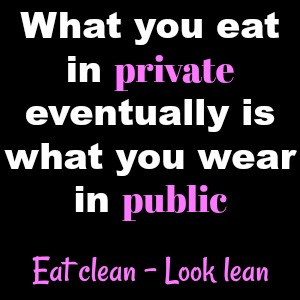


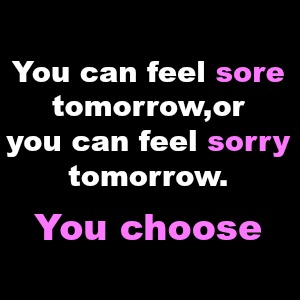
Fitspo started out as an online phenomenon, spurred on by Facebook, Pinterest and Instagram but morphed to include things like apps and television shows; helping to create multi-millionaires out of entrepreneurs like Kayla Itsines with her Bikini Body Guide workout app. Nowadays, however, the world almost seems to be full of superfood focused, raw juice obsessed, turmeric crazed, workout junkies, Paleo pedantic, health and wellness diehards. Me on the other hand, I flip-flop between trying to eat well and exercise and hitting the treats and sedentary lifestyle a little too hard.
Kayla Itsines admits that she prefers to work out after 2 proper meals at around 2pm, but this isn’t really an option for most people, most people are at work around 2pm. While I’m envious of Kayla’s figure, matching workout gear and bright white sneakers it pays to remember Kayla leads an abnormal lifestyle, she literally lives and breathes a strict exercise and nutrition regime, making money by working out, eating healthy, and posting pictures on social media. Obviously, the average woman doesn’t have this luxury, I have a job, I definitely don’t get paid to exercise, and I have a serious aversion to crop tops.


Professor of psychology, at the University of Kentucky Christia Spears Brown¹, is concerned that social media use, with its “emphasis on evaluating how people look” is shaping how teens feel about their own bodies. “Specifically, for adolescents who are particularly focused on others for approval, and for girls who are already facing societal pressures to have an ideal body.
Remember when everyone was up in arms about the imagery and messaging used in advertising and on magazine covers? Labelling it as damaging, misleading and unethical. Fitspo and its co-conspirators Facebook, Instagram and TikTok are the 2024 equivalent of advertising and magazines, but instead of being produced and published by external advertisers and media companies, its curated and created by us, the people we ‘follow‘ and brands who see the ‘value’ in working with ‘influencers‘.
In terms of those traditional forms of media, research shows that exposure to fitness-related images can be detrimental, particularly for women. After only 30 minutes of viewing fitness magazines promoting the athletic ideal, women reported an increased negative mood, depression, and anxiety.²
Social media platforms allow us to earn approval for our appearance and compare ourselves to others easily. For some, what starts as a way to document and share experiences can turn into an obsession, driven by a desire to receive compliments and likes.


Of course there are positives, those that are motivated to make healthy changes to their diet and exercise regime and those that can appreciate someone else’s dedication and hardworking without out feeling guilty for not doing the same. Maybe it’s an age thing, or maturity issue or perhaps a self confidence thing that determines whether or not you find Fitspo a touch overwhelming.
Ultimately the question is, is Fitspo fuelling the desire to change in positive way, or is pushing us into feeling we’re not good enough? Or again perhaps it’s just me again. Perhaps it’s just me that feels overwhelmed and mildly paralyzed, knowing where to start but still not able to move.
¹ “What a new study reveals about selfies and teenage body image” – Lindsey Piercy, University of Kentucky published May 30 2018 on https://phys.org/news/2018-05-reveals-selfies-teenage-body-image.html
² “Why the ‘fitspo’ movement is damaging to women” – Elise Holland, The Conversation, published 15 July 2016 on https://theconversation.com/why-the-fitspo-movement-is-damaging-to-women-60453
³ “The Problem with Fitspo” – by Anna, published January 9 2014 on http://brasandbodyimage.com/2014/01/09/the-problem-with-fitspo/#




Leave A Reply